

Reading at Bussage
Welcome to reading at Bussage. At Bussage, every book is the start of a new adventure! Reading helps us discover exciting stories, learn amazing facts, explore different worlds and grow our imagination.
At Bussage, we believe that reading is the key to lifelong learning. Our aim is for every child to develop a love of reading and to become a confident, fluent and thoughtful reader. Through our curriculum, we encourage children to enjoy a wide range of high-quality texts, build their vocabulary, develop their understanding of what they read, and foster a curiosity about the world around them. We want our pupils to read for pleasure, gain knowledge through reading and have the skills they need to succeed across all areas of the curriculum and beyond.
What is a Reader?
A reader is someone who enjoys exploring books, stories, poems, magazines, and information texts. Readers use their imagination to picture characters and places and ask questions about what they read. A reader can laugh with funny stories, solve mysteries, go on exciting adventures and find answers to interesting questions - all without leaving their seat!
At Bussage, we believe that every child is a reader. Reading is about enjoying books, developing confidence and finding stories and texts that spark curiosity and imagination. The more we read, the more our vocabulary grows, our knowledge increases and our love of reading develops.
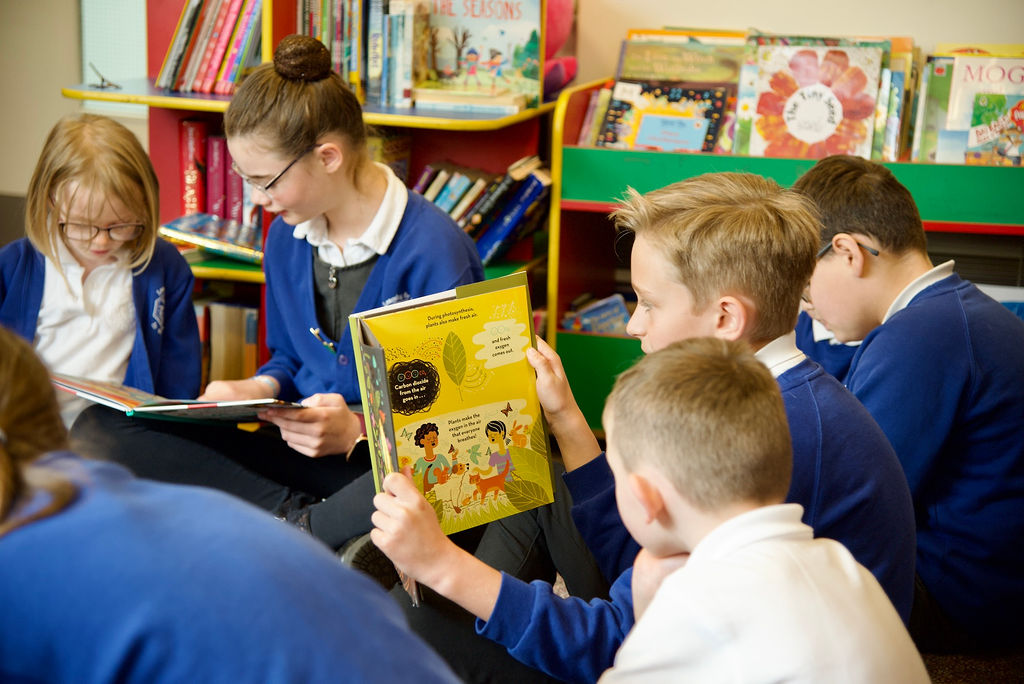
Readers share books with others and talk about what they have read. Readers never stop learning because every book opens the door to a new adventure.
Future Careers Using Reading
Authors use their reading to create amazing books and stories, while journalists read and research information to report on events around the world. Teachers read every day to help children learn, and lawyers use their reading skills to understand important documents and solve problems. Scientists read about new discoveries, historians explore the past through books and documents, and detectives gather clues by carefully reading reports and information.
Creative careers also rely on reading. Game designers develop exciting adventures and characters, travel writers share stories from around the world, illustrators bring books to life with their artwork, and actors read scripts to perform on stage and screen. Whatever your interests may be, reading helps you build knowledge, imagination, communication skills and confidence. Every book you read today could help you take the first step towards your future career tomorrow!
Our Core Values in Reading
The teaching of reading at Bussage is underpinned by our four cornerstones:
- Hope - fiction and non-fiction texts which demonstrate that challenges can be overcome, dreams can come true and there are always new opportunities and adventures waiting ahead.
- Wisdom - texts that teach valuable lessons, helping us understand different perspectives, and encouraging us to make thoughtful choices in our own lives.
- Community - encouraging us to understand, respect and connect with people from different backgrounds, experiences and cultures.
- Dignity - valuing ourselves and others, showing respect, and understanding that everyone deserves kindness and fairness.
Our Reading Curriculum
EYFS:
In Rainbows, we teach pupils how to decode using phonics activities from the Early Years Foundation stage. We use the Essential Letters and Sounds programme on a daily basis (and Year 1) to develop fluency and accuracy in word and sentence reading (more details in the ‘Phonics at Bussage’ document).
Reading for Pleasure:
Reading for pleasure is a key part of our reading curriculum, as we believe that children who enjoy reading are more likely to become confident, successful readers. Every class visits our school library each week, giving pupils dedicated time to browse, select and change their books in a calm and inviting environment. These regular library sessions encourage children to explore a wide range of authors, genres and topics, helping them to discover books that inspire, challenge and excite them. By providing opportunities to read for enjoyment and develop personal reading interests, we aim to foster a lifelong love of reading and nurture children who choose to read both in and beyond the classroom.
Our class reader programme provides children with the opportunity to enjoy and discuss high-quality texts that are read aloud by their teacher. Across the school, the range of class readers reflects a diverse and purposefully curated selection of books, including classic fiction, contemporary fiction, culturally enriching texts and stories that explore important issues and themes. These shared reading experiences expose children to rich vocabulary, different perspectives and a variety of voices, helping to broaden their understanding of the world.
Please click the link below to see our whole school class reader texts.
/docs/Class_Readers_and_Key_Authors.pdf
Reading Comprehension:
Reading comprehension is a vital part of our reading curriculum, enabling children to understand, interpret and think critically about the texts they read. Strong comprehension skills help pupils to make meaning from a range of texts, develop their vocabulary and build the confidence needed to access learning across the curriculum.
To support this, our reading lessons follow a carefully structured sequence:
Session 1 – First Read - the teacher reads the text aloud to the class, providing opportunities for discussion, engagement and initial responses to the text.
Session 2 – Vocabulary - pupils explore and become familiar with carefully selected words and phrases, deepening their understanding of the language used by the author.
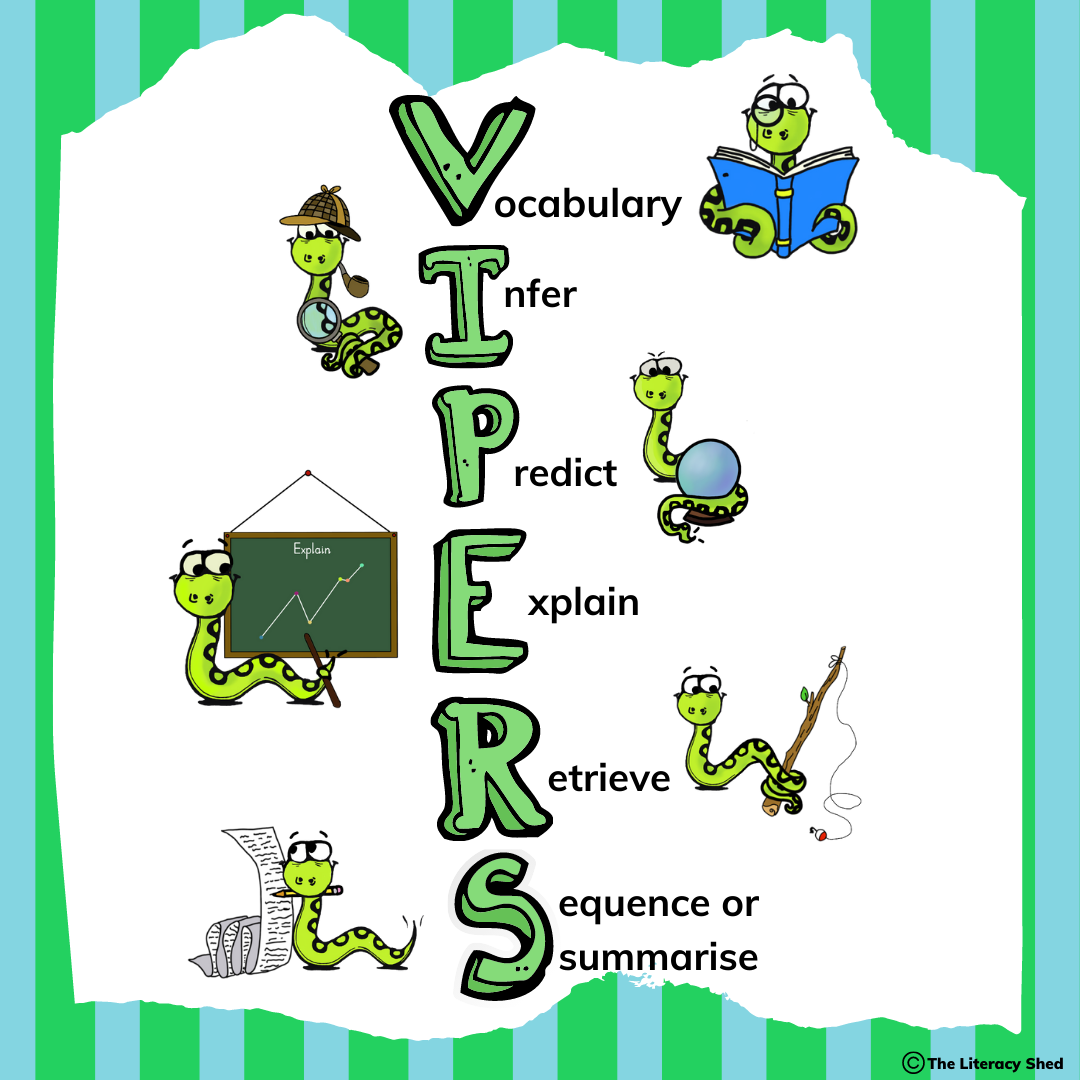
Session 3 – Comprehension - children engage in a more in-depth analysis of the text, answering questions on a specific VIPERS skill.
Assessment in Reading
Children are continually assessed against the key National Curriculum and Foundation Stage objectives for their year group.
Children are heard reading regularly by school staff, allowing us to monitor progress, celebrate achievements and provide targeted support when needed. These regular reading assessments, alongside the Rasinski Fluency Rubric, help teachers evaluate each child's accuracy, fluency, expression and understanding, ensuring that pupils are matched to the most appropriate book band and can progress confidently through our reading scheme.
To support our ongoing assessment of reading comprehension, pupils complete formative assessments using Testbase throughout the year. These assessments provide valuable information about children's understanding of different text types and reading skills, helping teachers to identify strengths and areas to further develop.
Home Reading
We use a ‘book banding’ system throughout the school, for individual reading and reading at home. This is to ensure the children are reading books which are an appropriate challenge to them.
Children in EYFS and Year 1, and pupils in other year groups who are continuing to develop their phonic knowledge and understanding, read books that are fully decodable and are matched to the sounds they are learning in their phonics lessons. They also have the opportunity to read ‘Richer Read’ books, which are meant to be ‘shared’ with an adult at home as they are not fully decodable but allow the children to experience a wide variety of texts and a wide range of new and ambitious vocabulary.
Help For Parents
What if my child gets stuck when reading at home?
- Use phonics first. What sounds do the letters make? Blend them together. Does it sound right?
- Encourage discussion with your child when pronouncing new words if their reasonable attempt does not sound correct
- Read around the word. What would make sense?
- What is the text about – what might fit here?
- Tell them
- Speak to your child’s teacher
What if my child is reluctant to read?
- Take it in turns to read
- Let them choose the text - especially those which match their interests
- Have a dedicated time for reading
- Read aloud to them
- Try graphic novels / picture books
- Use technology - ebooks, online articles, audio books etc.
- Think outside the book: has it been made into a TV programme or film that might inspire them to read the book?
Book Talk
Sometimes, children will just want to sit and listen to a book because they are so engrossed in the story. This is completely fine, there is no need to quiz them after every chapter that you read. But sometimes informal book talk can be a fantastic way to discuss what has been read. Making connections between the story and real life or another story is a great idea. ‘Ooh, that character reminds me a bit of granny because ….’ ‘Can you remember when we got lost in the woods and had to carefully follow the muddy trail…’ Talking about a book with your child can make them see things that they might not have spotted or connections that they might not have made previously.
Please click the link below to watch an example of "Book Talk."
Recommended Reads
Following the following links to find out which books are recommended reads for each year group: