


Computing
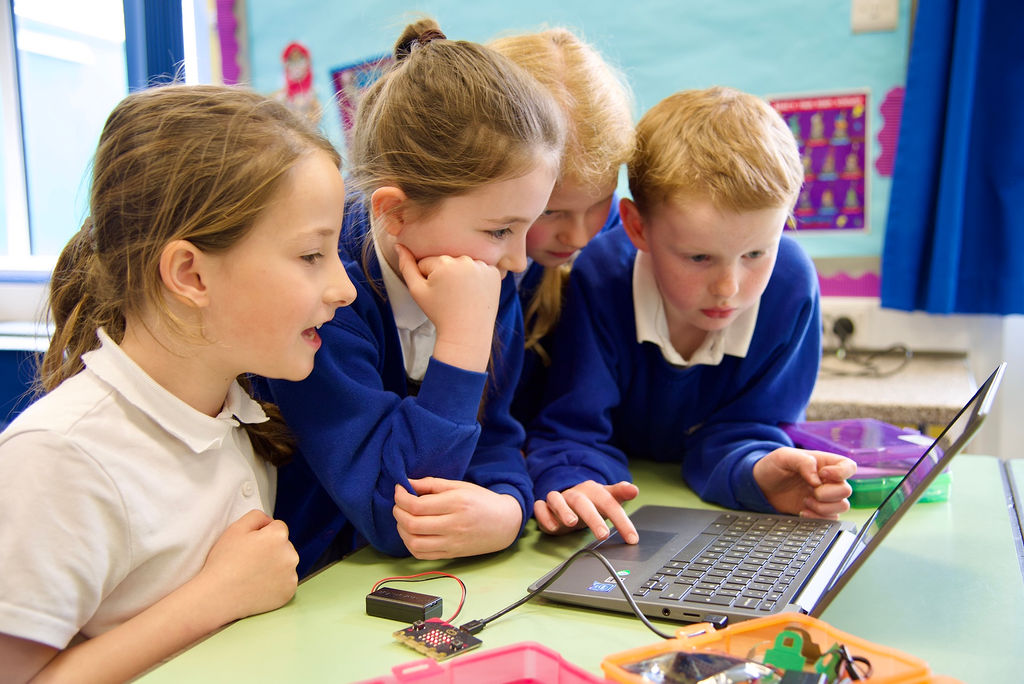
Welcome to Computing at Bussage! At Bussage, Computing is more than using technology—it’s about understanding the digital world and using it creatively and responsibly. Our approach to teaching Computing is designed to spark curiosity, develop problem-solving skills, and help children understand how technology shapes the world around them.
Our vision: In an ever-changing digital world, we strive to equip our pupils with the knowledge, skills, and confidence to become capable and responsible digital scientists. Through engaging lessons and real-world applications, we inspire children to be creators, innovators, and thoughtful users of technology.
Computer science empowers students to create the world of tomorrow.
Satya Nadella (CEO of Microsoft)
What is a Digital Scientist?
At Bussage, we believe a digital scientist is someone who explores, understands, and creates using technology. Learning Computing means thinking logically, solving problems, and developing the confidence to use digital tools effectively.
Digital scientists are analytical and resourceful—they enjoy exploring how things work and are willing to test, debug, and improve their ideas. They use computational thinking to solve problems, breaking tasks into manageable steps and recognising patterns and solutions.
They are creative thinkers who design, build, and innovate using technology. They collaborate with others, share ideas, and communicate clearly using digital platforms.
Digital scientists are also responsible citizens. They understand how to use technology safely and ethically, showing respect when interacting online and making informed decisions about digital content.
At the heart of Computing is a desire to explore, create, and solve problems in a digital world.
Future Careers in Computing
Studying Computing opens the door to many exciting careers. The skills developed—such as logical thinking, creativity, and problem-solving—are highly valued in modern society.
Young digital scientists may go on to careers such as software development, cybersecurity analysis, data science, game design, artificial intelligence engineering, web development, robotics engineering, or IT consultancy.
Computing helps children understand the digital world and prepares them to become active and capable participants in the technology-driven future.
Our core values in Computing
The teaching of Computing at Bussage is underpinned by our four cornerstones:
- Hope: Inspiring children to believe in their ability to use technology to create and innovate
- Wisdom: Developing knowledge and understanding of how digital systems work and how to use them effectively
- Community: Encouraging collaboration and responsible communication in digital environments
- Dignity: Promoting safe, respectful, and ethical use of technology
By focusing on these values, we support children in becoming confident, thoughtful, and responsible digital citizens.
Join us on a journey through the digital world, where every lesson builds skills for the future.
Our Computing Curriculum
At Bussage, our Computing curriculum is designed to develop children’s understanding of technology through engaging and meaningful learning experiences. We follow the Purple Mash Computing Curriculum, which provides a structured and progressive approach to learning.
The National Curriculum highlights that computing education enables children to use computational thinking and creativity to understand and change the world.
Children learn how digital systems work, how to create programs, and how to use technology to develop their ideas. They also become digitally literate, able to express themselves confidently using technology and participate safely in a digital world.
Our curriculum is built around key areas:
- Computer Science: Coding, algorithms, and problem-solving
- Information Technology: Using digital tools to create and present content
- Digital Literacy: Understanding how to use technology safely and responsibly
Online safety is a key priority at Bussage. We use Common Sense Media Digital Citizenship to support children in understanding how to stay safe online, think critically about digital content, and communicate respectfully.
Bussage Digital Citizenship EYFS-Y6 Progression_for_26-27
In Reception, children will:
- Begin to explore technology in a safe and purposeful way
- Use simple digital tools to create and communicate
- Develop early problem-solving and logical thinking skills
- Understand the importance of using technology safely
Computing in EYFS supports early learning through play, exploration, and communication.
Throughout Key Stages 1 and 2, pupils will learn to:
- Understand and apply the principles of computer science, including algorithms and logic
- Design, write and debug programs to solve problems
- Use technology purposefully to create, organise and present digital content
- Develop logical reasoning and computational thinking skills
- Understand how digital systems and networks work
- Use technology safely, respectfully, and responsibly
These skills align with the National Curriculum, ensuring pupils become confident and creative users of technology.
They will learn these skills and knowledge through study of the following areas:
Key Stage 1
- Understanding what algorithms are and how they are used
- Creating and debugging simple programs
- Using technology to create and organise digital content
- Recognising common uses of technology in everyday life
- Learning how to use technology safely and respectfully
Key Stage 2
- Designing, writing, and debugging more complex programs
- Using sequence, selection, and repetition in coding
- Understanding how networks and the internet work
- Using a range of digital tools to create and communicate ideas
- Applying knowledge of online safety and responsible use of technology
Through engaging and purposeful lessons, we aim to inspire every child to develop a love of Computing, to think critically, and to become confident digital scientists ready for the future.
Please find below our Computing Progression of knowledge and skills document: